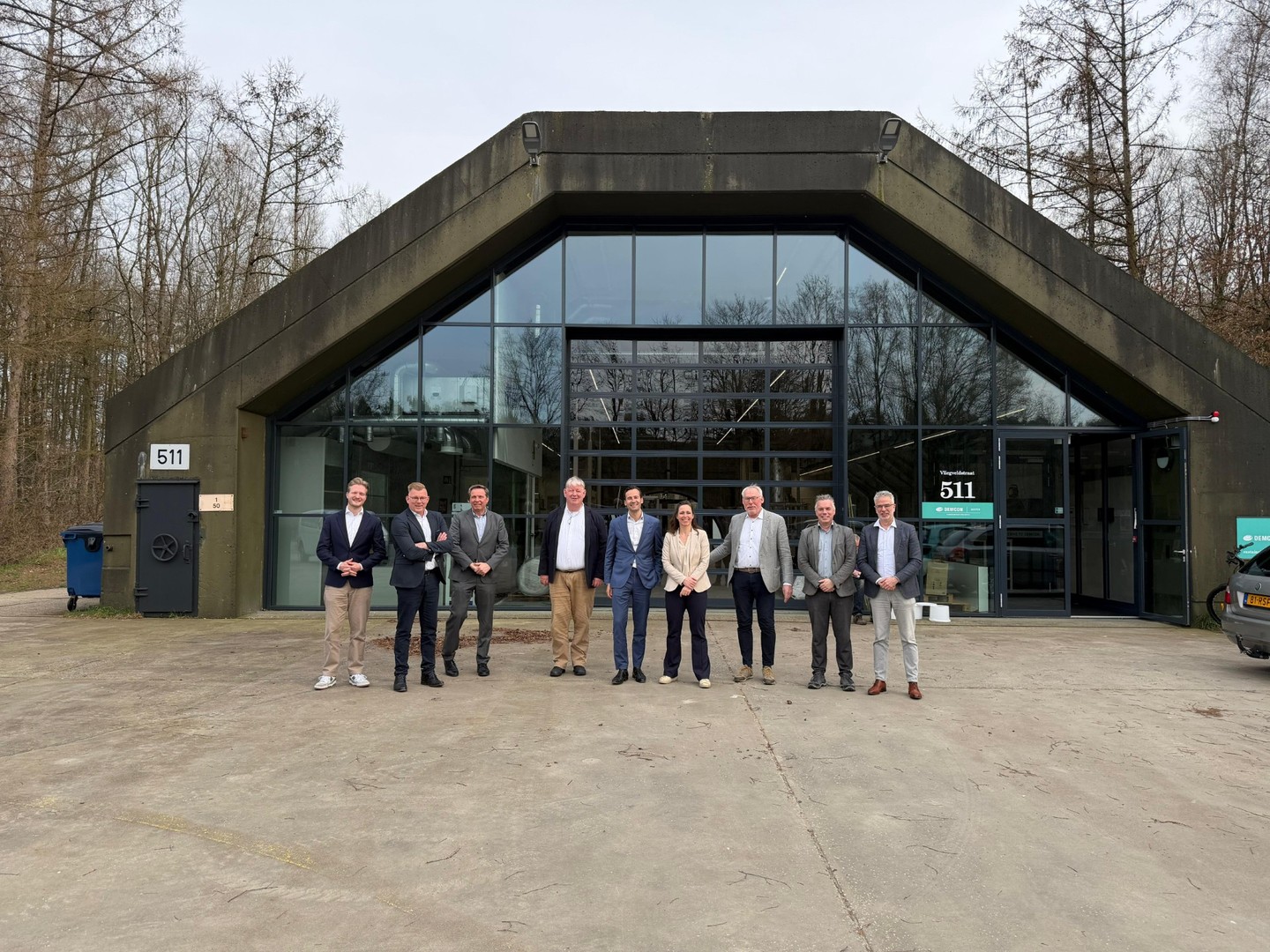
Site visit by CDA MP Maes van Lanschot highlights Twente’s role in defence and innovation
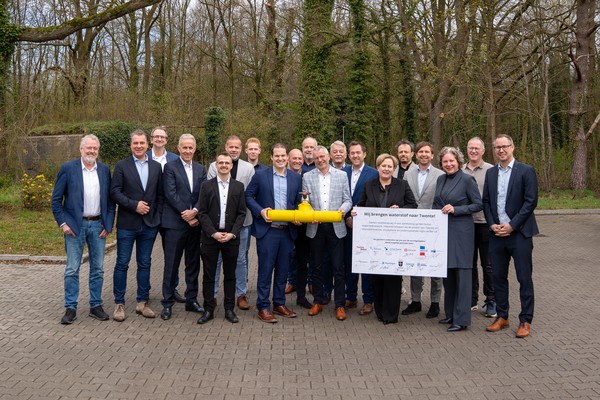
On Monday, March 23, CDA Member of Parliament Maes van Lanschot (Defense) paid a side visit to Twente. The visit focused on European defense challenges, innovation, and future economic potential. At various locations, he gained insight into how companies, knowledge institutions, and regional partners in Twente are collaborating on technological solutions with international relevance. The working meeting provided an opportunity for substantive discussions on scaling up, collaboration, and the conditions necessary to accelerate the transition of innovation into practical application.
Date of Publication: 24 March 2026
Read time +/- 3.9 minutes
The Twente Defense Cluster in Action
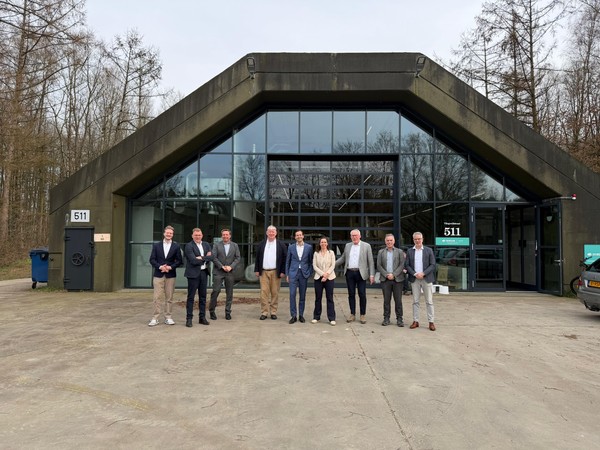
The first visit took place at High Tech Systems Park in Hengelo, where the Twente defense cluster was the focus. Thales demonstrated how Twente-based technology contributes to security and supply reliability within Europe.
At Thales, the conversation focused, among other things, on the position of the Dutch defense industry in a European context and the question of how international cooperation and demand aggregation can contribute to acceleration.
The discussions made it clear that Twente has a strong foundation, but that further growth requires favorable conditions, predictability, and coherence between policy, industry, and knowledge.
Innovation and Future Earning Potential at Technology Base
In the afternoon, the visit moved to Technology Base in Enschede. Here, the focus was on Twente’s broader innovation ecosystem and how defense, chip technology, and medical technology reinforce one another.
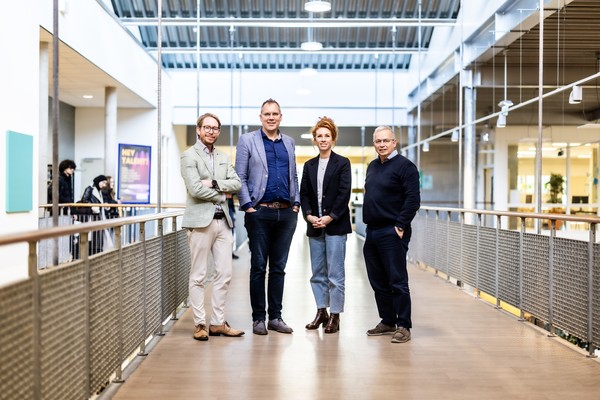
The role of companies such as Demcon, together with the University of Twente and Saxion within the framework of the Twente Board, demonstrated how cross-pollination between sectors leads to new applications, knowledge development, and economic activity. Technology Base serves as a hub where testing, development, training, and collaboration converge.
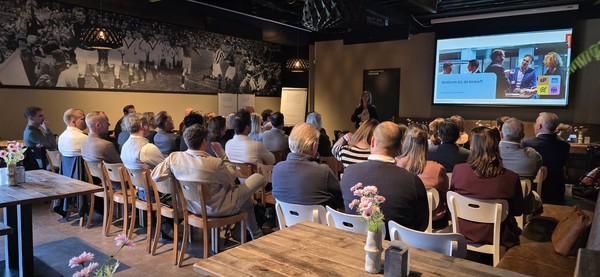
During the panel discussion, participants discussed the power of regional ecosystems and how they contribute to the Netherlands’ future earning potential. The consensus was that innovation happens more quickly when businesses and research institutions are able to connect with one another—both physically and substantively—and when there is room to experiment and scale up.
Link to the Coalition Agreement and New Investment Direction
The visit aligns directly with the direction outlined in the new coalition agreement. The agreement focuses on creating more room for innovation, investing in key technologies, and strengthening strategic sectors that contribute to security, economic resilience, and social challenges.
In Twente, it is clear to see how these ambitions are already taking shape in practice. Here, businesses, educational institutions, and government agencies collaborate daily within strong tech clusters, building on existing knowledge, infrastructure, and cooperation. It is precisely regions where this foundation already exists that can play a key role in the successful implementation of new national investment and innovation programs.
Twente Board as a connector of the ecosystem
Twente Board brings together entrepreneurs, educational institutions, and government bodies and works to strengthen Twente as a leading green technology region. By connecting, coordinating, and creating cohesion between clusters and programs, regional strengths are linked to national and European challenges.
Maes van Lanschot’s visit highlights the importance of this collaboration and provides valuable input for the ongoing discussion on how innovation, defense, and future earning capacity can be further strengthened.
Share article on:
Kim Peddemors