Twente demonstrates its contribution to the national talent initiative at the Beethoven Chip Talent Summit
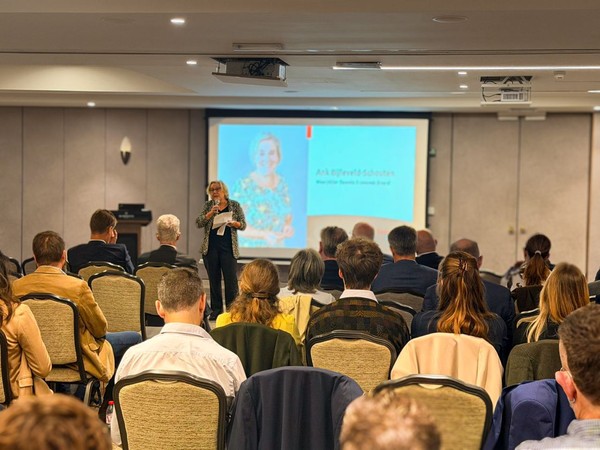
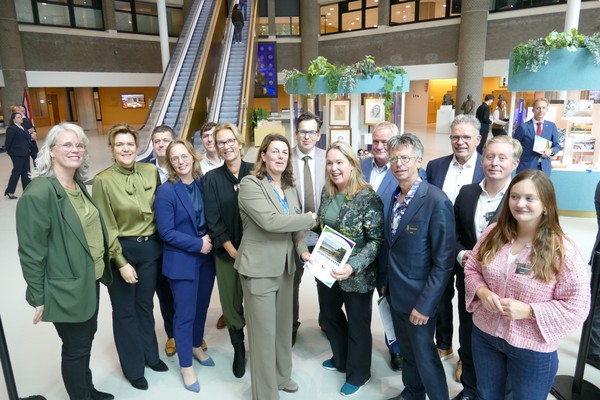
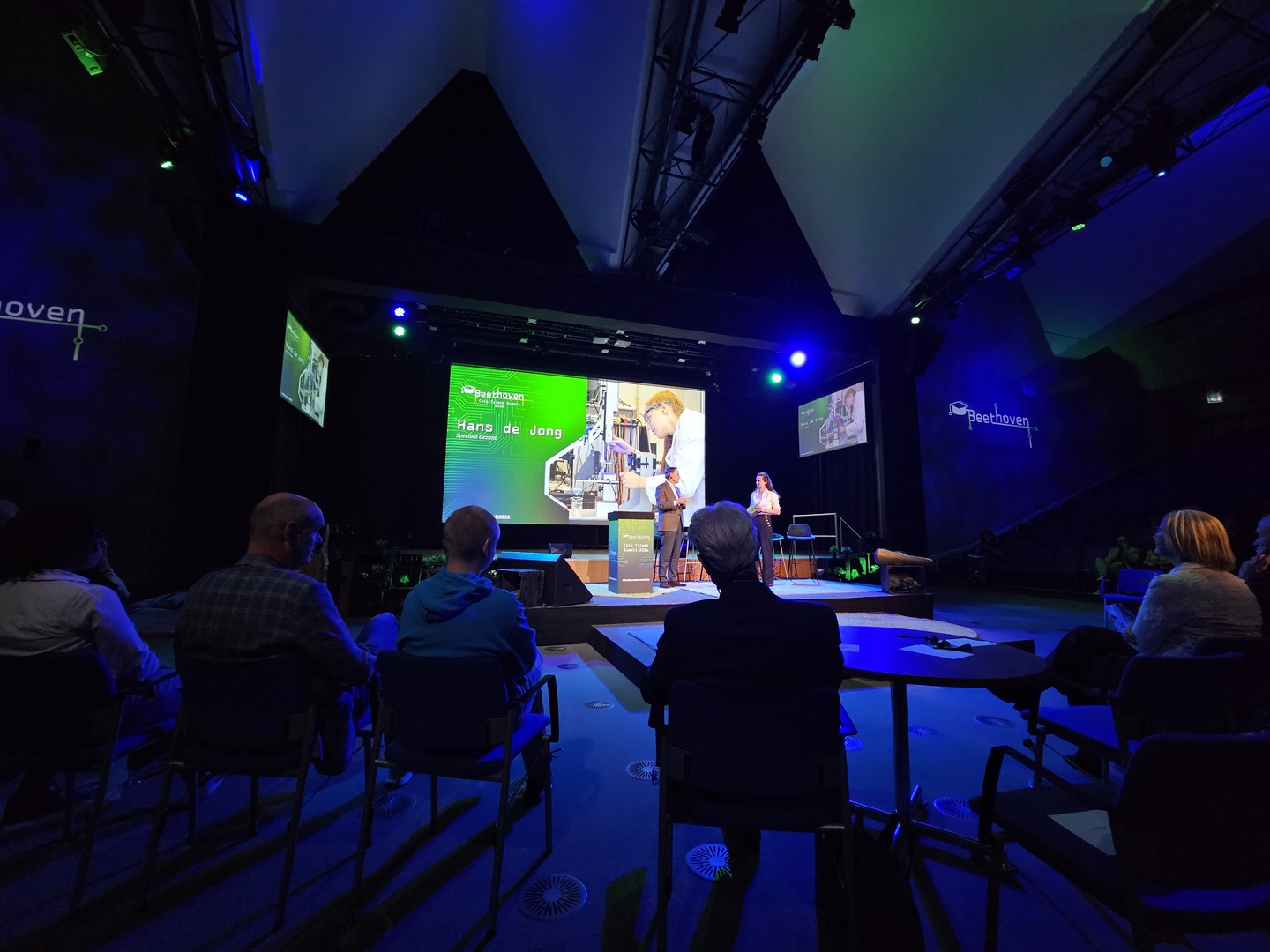
How can we ensure that the Netherlands continues to have sufficient talent for the semiconductor sector in the future? That question was the focus of the national Beethoven Chip Talent Summit held on 6 October in Delft. The four regions involved in the National Microchip Talent Strengthening Plan came together to exchange knowledge and experience and to demonstrate how each region is contributing to this shared national challenge by building on its own strengths.
Date of Publication: 06 October 2026
Read time +/- 5.9 minutes
Twente is working across the entire talent development chain
Twente plays a key role in the Dutch and European semiconductor industry. Hundreds of companies supply technology, components and systems to the international semiconductor industry. To maintain and further strengthen this position, a sufficient supply of skilled technical professionals is essential. During the summit, Twente demonstrated how the region is working across the entire talent development chain: by inspiring young people to explore technology, strengthening links between vocational colleges, universities of applied sciences and research universities, retraining and upskilling the workforce, and attracting international talent.
A concrete example of this approach can be found in the Semicon Learning Centres in Twente. During an interactive session, Heleen Goosen from Ondernemend Twente demonstrated how companies and educational institutions are collaborating to create practice-oriented learning environments. Real-world challenges faced by businesses provide the starting point for new learning solutions for students, workers and career changers. This creates a stronger connection between education and the labour market, while also highlighting the innovative companies, career opportunities and professional development available in Twente.
Attracting and retaining international talent
International talent was another important theme at the summit. A session on positioning the Netherlands as a destination for semiconductor talent explored how educational institutions are working together to attract a new generation of engineering students and professionals. The session was co-led by Irene van der Ploeg from the University of Twente.
For Twente, international talent is a vital part of the solution. The semiconductor sector in the region will need thousands of additional skilled workers by 2030. This means not only attracting international talent but also creating the right conditions for people to study, work and build a life in the region.
The session also demonstrated that collaboration between educational institutions can deliver far more than joint recruitment campaigns alone. By sharing knowledge, the institutions build new connections and strengthen their collective evidence base for future decision-making.
Semiconductor technology with societal impact
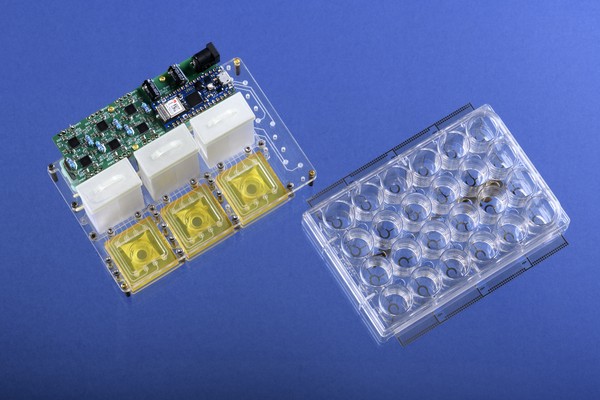
The connection between education, research and practical application was also highlighted from a Twente perspective. During a session on Lab-on-a-Chip technology, researchers demonstrated how innovative chip technologies is being used to address society's challenges. This illustrated how education, research and industry reinforce one another, and how students and researchers are developing practical applications that extend well beyond the semiconductor sector itself.
Collaboration as the key
The summit once again emphasised that the talent challenge in the semiconductor sector extends far beyond training new professionals. It also involves retaining skilled professionals, creating development opportunities for employees, making effective use of international talent and strengthening the connection between education and industry.
Beethoven Special Envoy Hans de Jong emphasised that the challenge requires a joint commitment to four key areas: public-private partnerships; attracting and retaining talent; favourable conditions for international students and employees; and a robust approach to lifelong learning. His message was clear: “The question is not whether we can achieve this, but how we will achieve it.”
At the same time, it became clear that collaboration is increasingly moving from shared ambitions to joint implementation. Educational institutions, businesses, research organisations and public authorities are joining forces, sharing experience and jointly developing solutions to challenges that no single organisation can address on its own.
Working together to cultivate talent
For Twente, the Beethoven Chip Talent Summit confirmed both the scale of the challenge and the growing momentum behind the collaborative approach. Through initiatives focusing on the Semicon Learning Centres, international talent recruitment and lifelong learning, the region is working with educational institutions, businesses and public authorities to ensure that the semiconductor sector has access to the skilled professionals it will need in the future. The challenge is national in scale, while implementation takes place at regional level.
About the Twente Microchip Talent Strengthening Plan
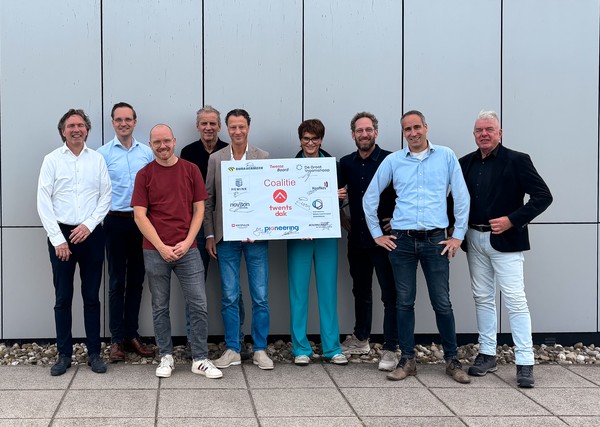
Through the Twente Microchip Talent Strengthening Plan, ROC van Twente, Saxion, the University of Twente, Ondernemend Twente, Twente Board Development and the vocational training providers SMEOT, REMO, STODT and Process Your Future are working together to attract, educate, develop and retain talent for the semiconductor industry. In doing so, the region is strengthening both the Dutch semiconductor sector and the Netherlands’ international competitiveness.
Share article on:
Wendy van Til
Twente Board
Up to date blijven?
Wil je als eerste op de hoogte zijn van innovaties en ontwikkelingen uit de regio? Onze verschillende nieuwbrieven bezorgen nieuws dat bij je past rechtstreek in jouw inbox. Schrijf je in en blijf up to date.